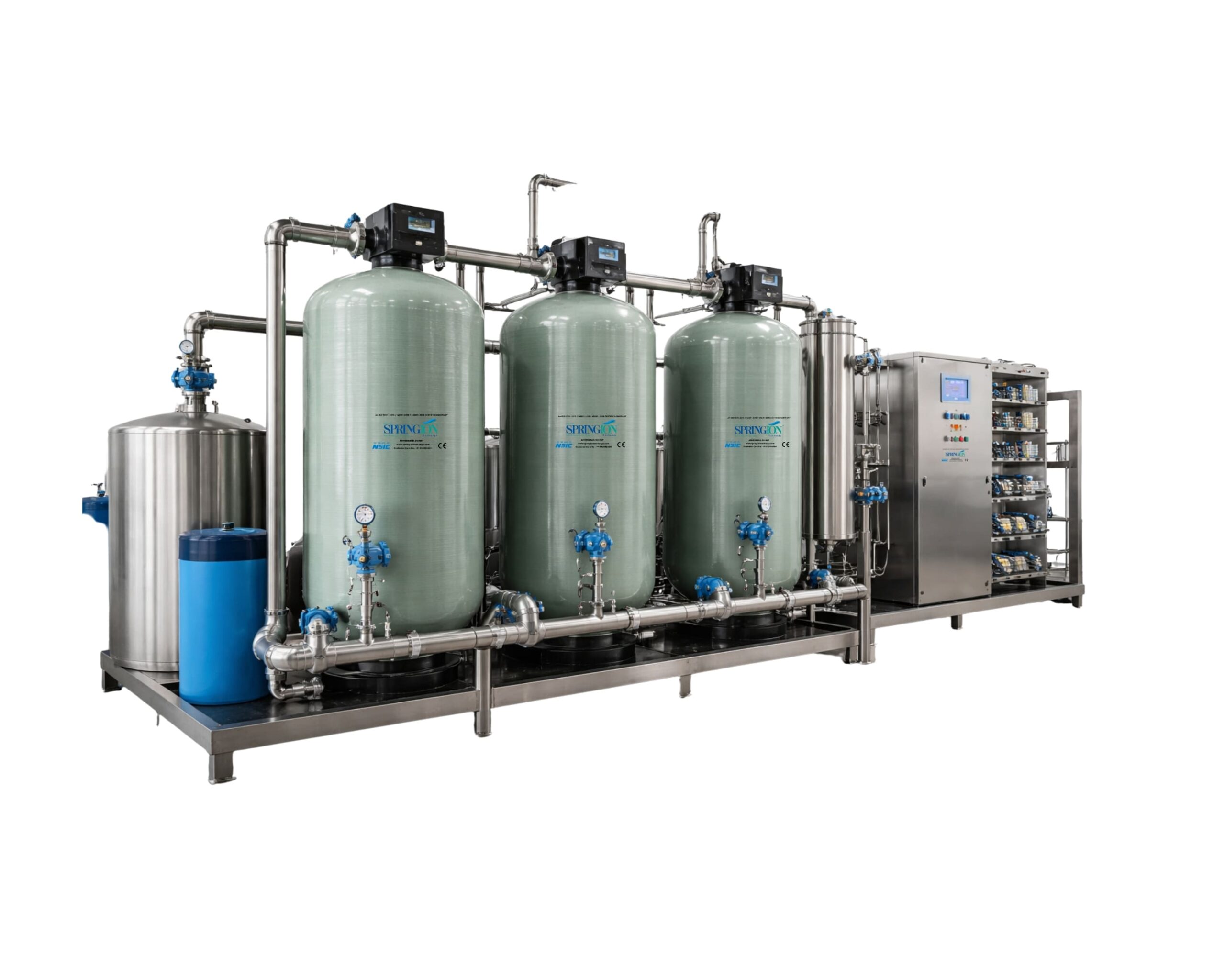
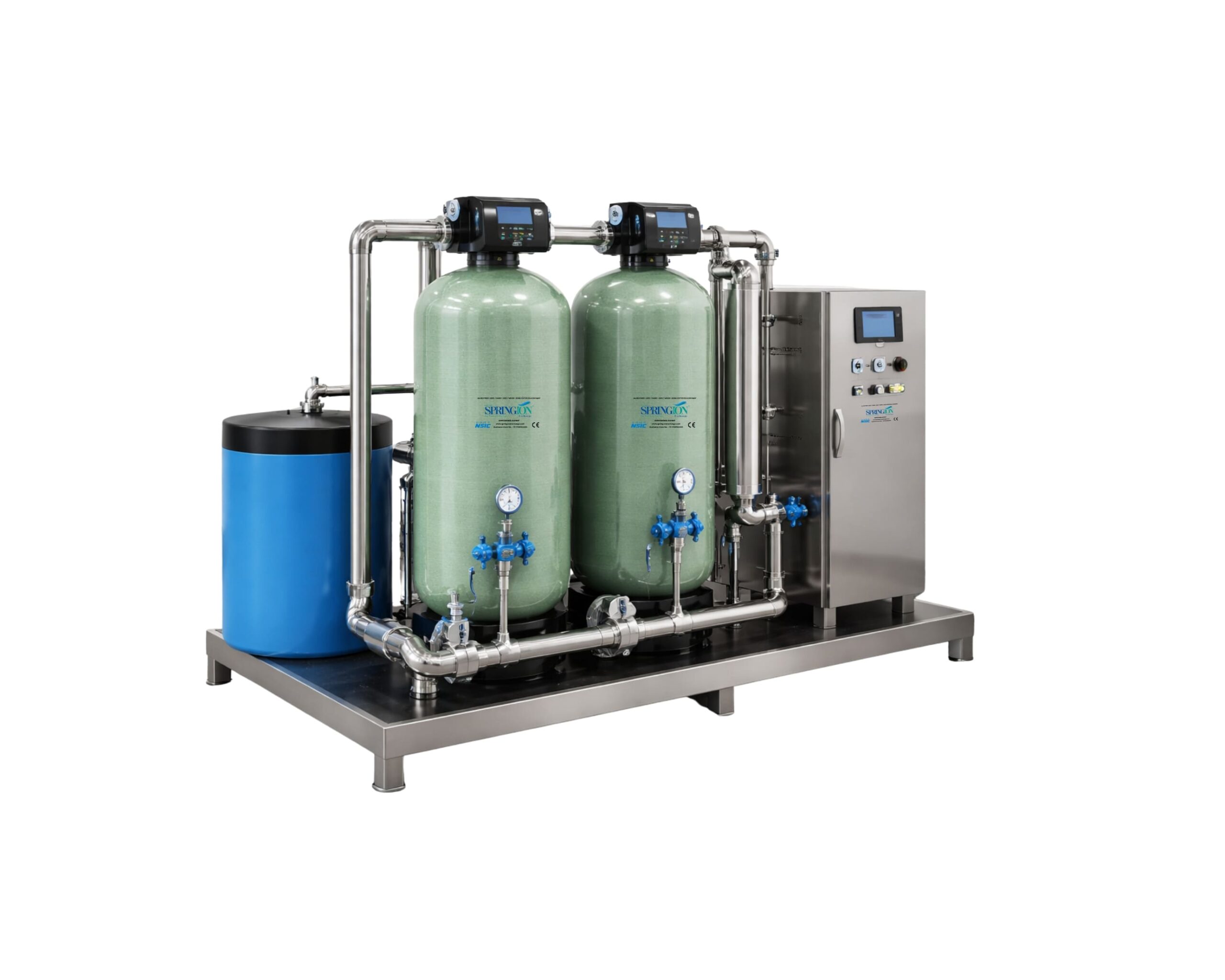
DM Water Plant Manufacturer in India

Demineralization Water Treatment Solutions

Demineralized Water for Boilers, Pharma and Industrial Applications

Dissolved minerals in water can create scale, corrosion, and process problems in boilers, heat exchangers, and sensitive manufacturing systems. When your process requires controlled mineral content and low conductivity, a properly designed demineralization system becomes essential.

Spring Ion Exchange is a DM Water Plant Manufacturer in India providing customized ion-exchange systems for industrial, pharmaceutical, laboratory, power, battery and process-water applications.

Our engineers evaluate your raw water quality, required flow, and treated-water specifications before selecting the appropriate cation, anion, degassing, and polishing stages. The result is a DM Water Treatment System designed around your actual operating requirements.

Why Choose Us

Why Choose Spring Ion Exchange as Your DM Plant Manufacturer

A demineralization plant should not be selected only by capacity. Raw water chemistry, resin loading, regeneration frequency, and required conductivity all influence plant performance and operating cost.

As a Demineralization Plant Manufacturer in India, Spring Ion Exchange provides:

Our focus is to provide the required water quality without adding unnecessary treatment stages or operating costs.

Plant Selection

Choose the Right DM Water Plant for Your Application

The right system depends on what the treated water will be used for.

A boiler may require reliable low-mineral feed water, while pharmaceutical or laboratory applications can require significantly lower conductivity and additional polishing.

01
image

Boiler feed water

Two-bed DM / polishing

Reduce mineral-related scaling and corrosion
02
image

Pharmaceutical manufacturing

DM + mixed-bed polishing

High-purity process water
03
image

Laboratories

DM / polishing

Low-conductivity water
04
image

Battery manufacturing

DM system

Controlled mineral content
05
image

Electronics manufacturing

DM + polishing

Minimise ionic contamination
06
image

Textile processing

Industrial DM plant

Consistent process water
07
image

Food & beverage

Application-specific DM system

Controlled water chemistry
08
image

Chemical industries

Customized ion-exchange system

Process-specific water quality
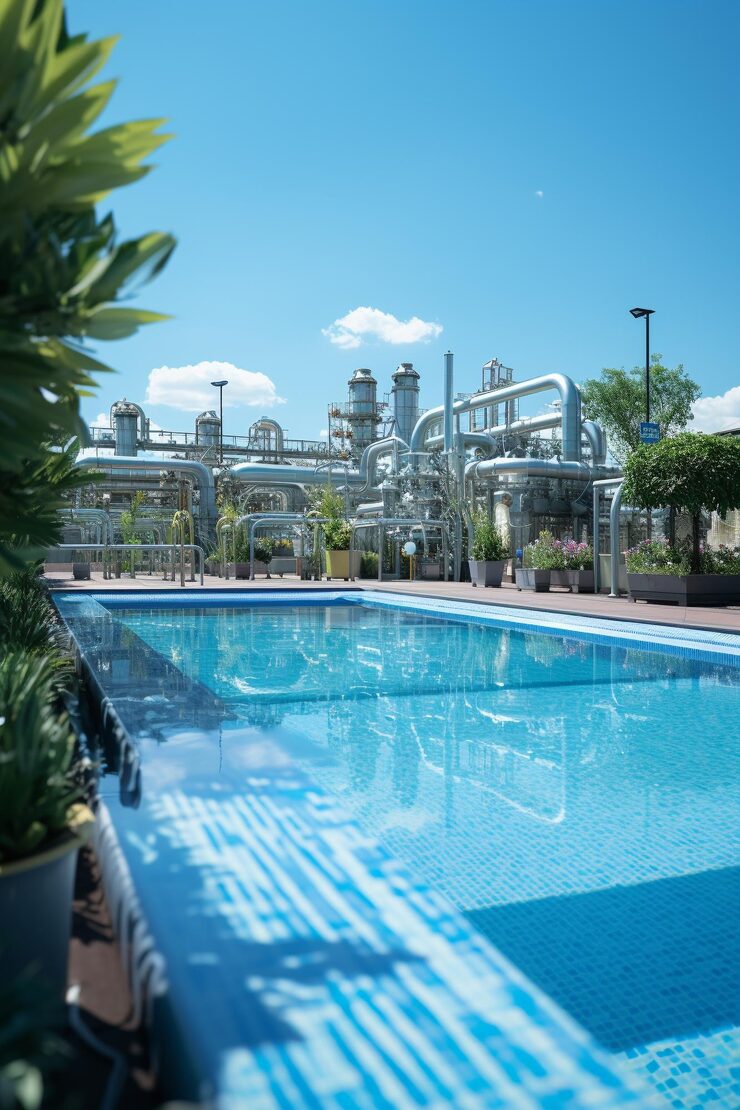
Our engineers determine the appropriate configuration after reviewing the raw water analysis and required treated-water quality.

Capacity

DM Plant Capacity for Small to Large Industrial Requirements

Spring Ion Exchange manufactures DM Water Plants for different flow requirements, from smaller systems for laboratories and commercial facilities to large industrial installations.

Typical applications include:

The final DM Plant Capacity is selected according to hourly flow, operating hours, peak demand, raw water quality, and required regeneration cycle.

Need help selecting capacity?

Share your daily or hourly water requirement and raw water report with our engineers for a suitable plant recommendation.

Technology

Ion Exchange Technology Behind Our Demineralization Plants

Our Industrial Demineralization Plants use ion-exchange technology to remove dissolved ionic impurities from water.
01
image

Cation Exchange

The cation exchanger removes positively charged ions such as calcium, magnesium and sodium by exchanging them with hydrogen ions.
02
image

Anion Exchange

The anion exchanger removes negatively charged ions such as chloride, sulphate and bicarbonate by exchanging them with hydroxide ions. The hydrogen and hydroxide ions combine to form water, significantly reducing the ionic content.
03
image

Mixed-Bed Polishing

For applications requiring lower conductivity, a mixed-bed unit combines cation and anion resins in one vessel to provide additional polishing. This configuration is commonly considered where the application demands higher-purity demineralized water.
Components

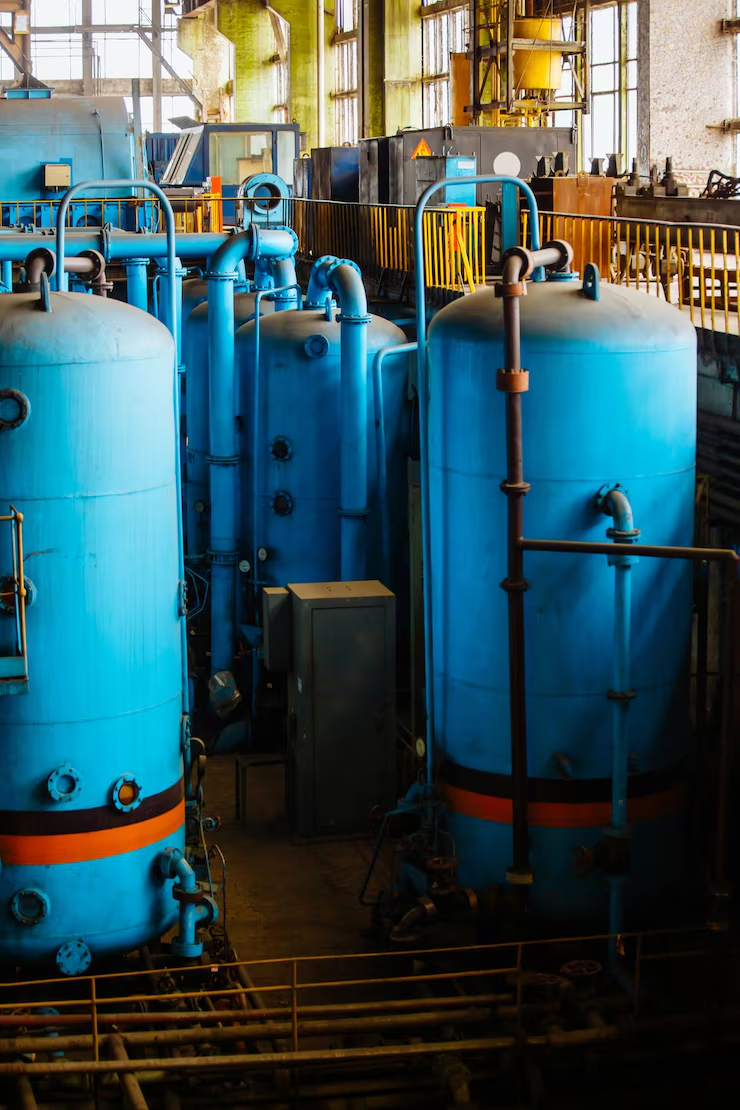
Key Components of a Reliable DM Water Treatment System

Depending on the application, a DM system may include:

The equipment is selected according to feed water chemistry, required capacity, and final water-quality specifications.

Process

How a DM Water Plant Removes Dissolved Minerals

The demineralization process follows a controlled ion-exchange sequence:
01
Raw Water Feed
Raw water enters the cation exchange vessel.
02
Cation Exchange
Calcium, magnesium, sodium, and other positively charged ions are exchanged with hydrogen ions.
03
Degassing, Where Required
Dissolved carbon dioxide can be reduced before the anion stage when required by the water chemistry.
04
Anion Exchange
Chloride, sulphate, bicarbonate and other negatively charged ions are removed.
05
Mixed-Bed Polishing
An optional mixed-bed unit provides additional ionic polishing.
06
Conductivity Monitoring
The treated water is monitored to verify the required quality.
07
Resin Regeneration
Once the exchange capacity is exhausted, the resins are regenerated using suitable acid and alkali chemicals.
The regeneration cycle is determined by raw water quality, resin capacity and plant operating conditions.
Industrial Benefits

Why Industries Install DM Plants

A properly designed DM Water Treatment Plant can support equipment protection, process consistency and better control over water quality.

Key benefits include:

For industries operating continuously, producing demineralized water on-site can provide greater control over both water quality and supply reliability.

Applications

Industrial DM Plants for Diverse Applications

Our DM Plant for Industrial Use can be configured for a wide range of sectors.

Common applications include:

The treatment configuration is customized according to the process and required water quality.

Integrated Treatment

DM Plant with RO and Other Water Treatment Systems

A DM plant does not always operate as a standalone system.

Where raw water contains a high dissolved-solids load, an RO system can be installed before the DM stage to reduce the ionic load and improve overall treatment efficiency.

A typical integrated system may be:

Raw Water → Pretreatment → RO → DM → Mixed Bed → Final Water

The exact treatment sequence depends on your raw water analysis and required final conductivity.

Spring Ion Exchange can help evaluate whether an RO + DM system, conventional DM plant, or DM with mixed-bed polishing is more appropriate for your application.

Automatic Operation

Automatic DM Plants for Easier Operation and Regeneration

Where consistent operation and reduced operator intervention are important, an Automatic DM Plant can incorporate automated valves, conductivity monitoring, and programmed regeneration sequences.
Automation can help:

Maintain consistent operating cycles

Monitor treated-water conductivity

Control service and regeneration stages

Reduce manual valve operation

Improve operational convenience

The automation level can be selected according to plant size, operating hours, and site requirements.

Commercial Consideration

What Determines DM Plant Cost in India?

There is no single DM Plant Price because the cost depends on the technical requirements of each project.

Key cost factors include:

For an accurate DM Plant Quotation, provide your water analysis and required flow rate. This allows the system to be sized according to actual operating conditions rather than using a generic capacity.

Support

DM Plant Installation, Commissioning and After-Sales Support

Buying from a DM Plant Supplier in India should include support beyond equipment delivery.

Spring Ion Exchange provides:

Our engineers can also help your team understand regeneration procedures, conductivity monitoring, and routine operating requirements.

Get Started

Request a DM Plant Quotation for Your Application

Planning a new DM Water Plant or replacing an existing system?

Send us:

Our engineering team can evaluate the requirements and recommend a suitable demineralization configuration.

FAQ

Frequently Asked Questions

01. What is a DM Water Plant?

A DM Water Plant uses ion-exchange technology to remove dissolved ionic minerals from water, producing demineralized water with significantly reduced conductivity.

An RO plant uses a semi-permeable membrane to remove dissolved salts and other impurities, while a DM plant uses ion-exchange resins to remove dissolved ions. RO and DM can also be combined when higher water quality or lower operating load is required.

DM plants can be manufactured for small laboratory and commercial requirements as well as large industrial applications. The required capacity should be calculated from hourly flow, operating hours, and peak demand.

Capacity depends on required water flow, daily consumption, operating schedule, regeneration cycle, and raw water chemistry. Our engineers can determine the appropriate capacity based on your water requirements and analysis.

DM plants are used for boiler feed water, pharmaceutical manufacturing, laboratories, battery manufacturing, electronics, textile processing, food and beverage production, chemical industries, and other process-water applications.

A mixed-bed DM plant contains both cation and anion exchange resins in the same vessel. It is generally used as a polishing stage when lower conductivity or higher-purity water is required.

Yes. Ion-exchange resins have a finite exchange capacity. Once exhausted, they must be regenerated using suitable chemicals so that the plant can return to service.

Yes. Automatic valves, conductivity monitoring, and programmed regeneration can be incorporated based on the plant configuration and operating requirements.

Capacity, raw water chemistry, required conductivity, resin quantity, vessel material, automation, pretreatment, and polishing requirements all influence the final DM plant cost.

Yes. Spring Ion Exchange provides installation, commissioning, operator training, spare-parts assistance, and maintenance support across India.

Yes. DM water is commonly used where low-mineral feed water is required for boilers and other heat-transfer applications. The appropriate configuration depends on the boiler and feed-water specifications.

Send Inquiry

Request Quote

Need clean and safe water solutions?

Send us your inquiry—we’re here to help!

Send Inquiry

Request Quote

Need clean and safe water solutions?

Send us your inquiry—we’re here to help!