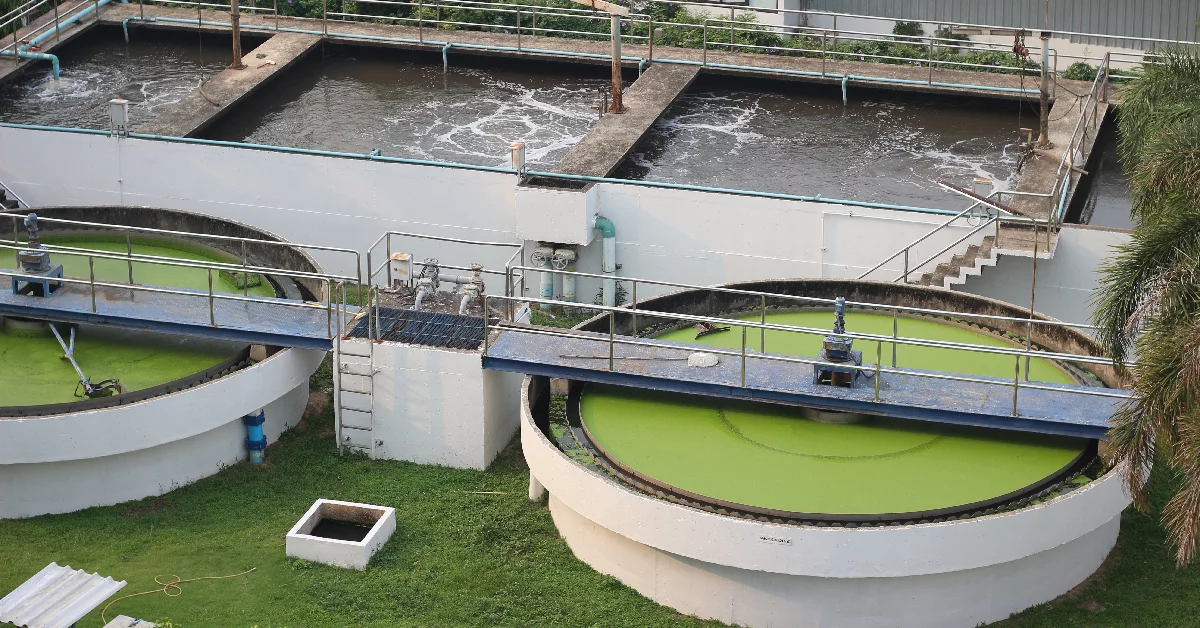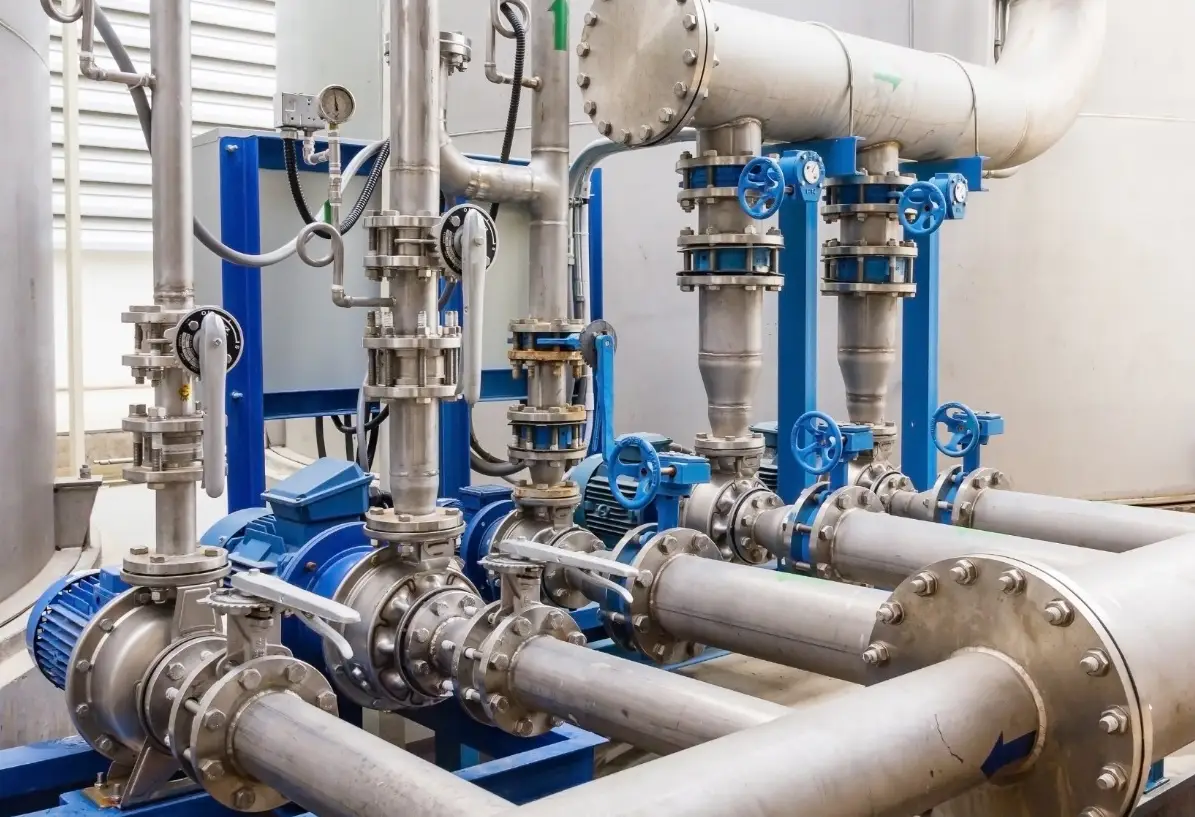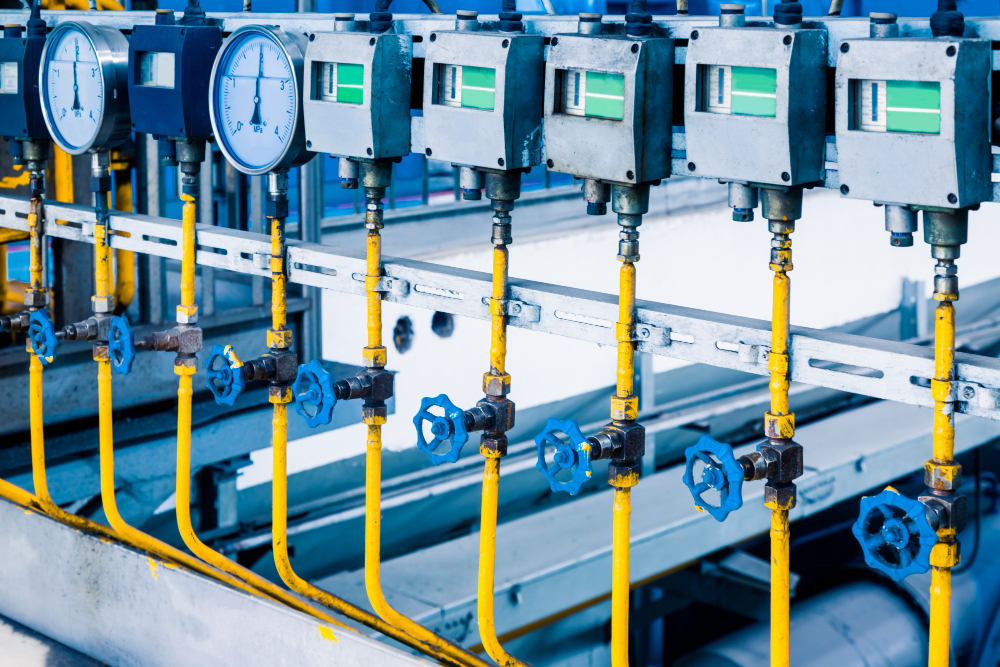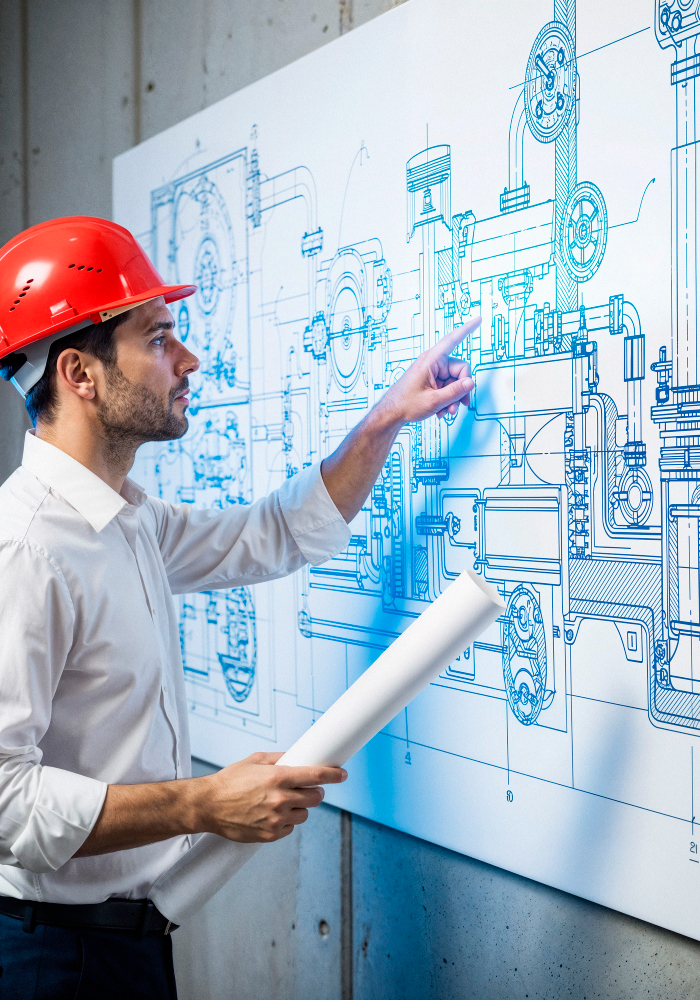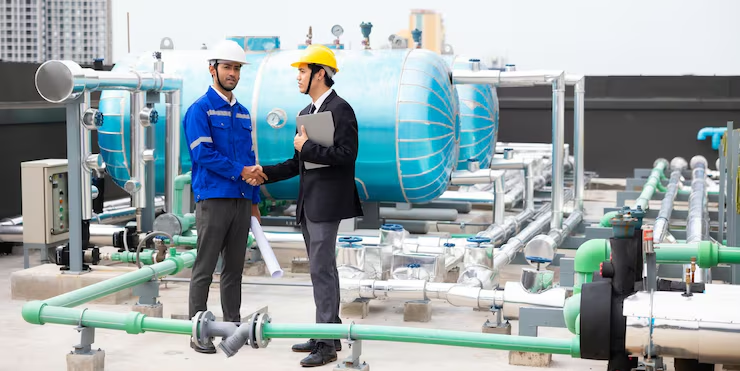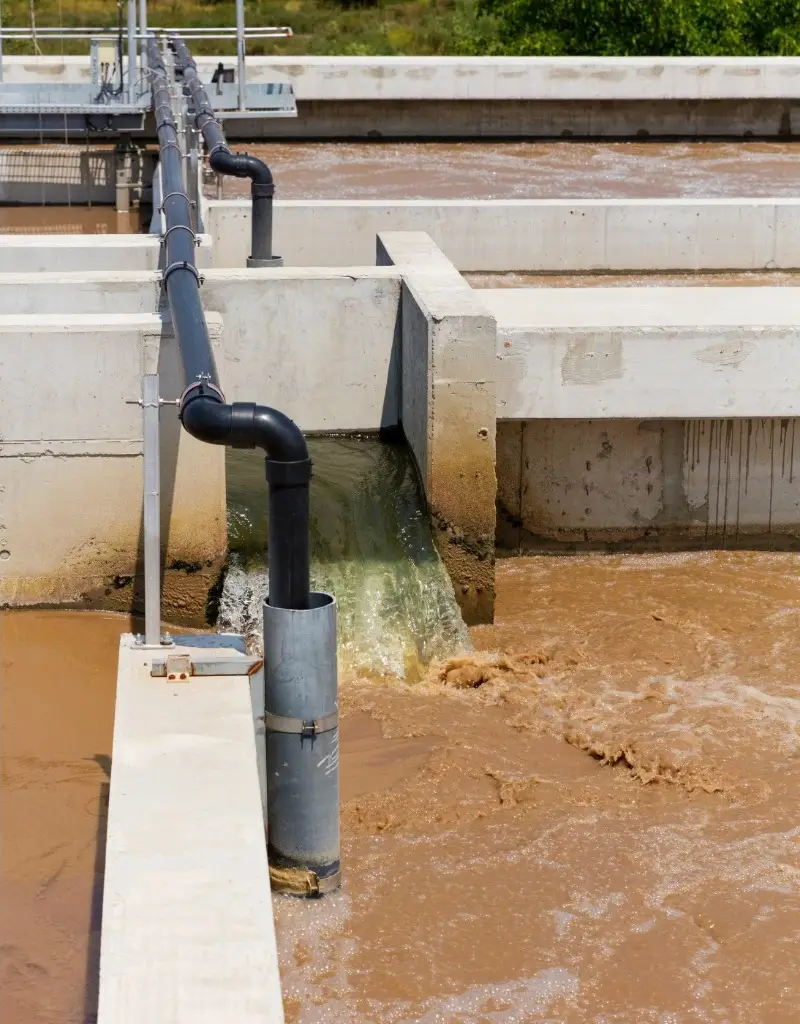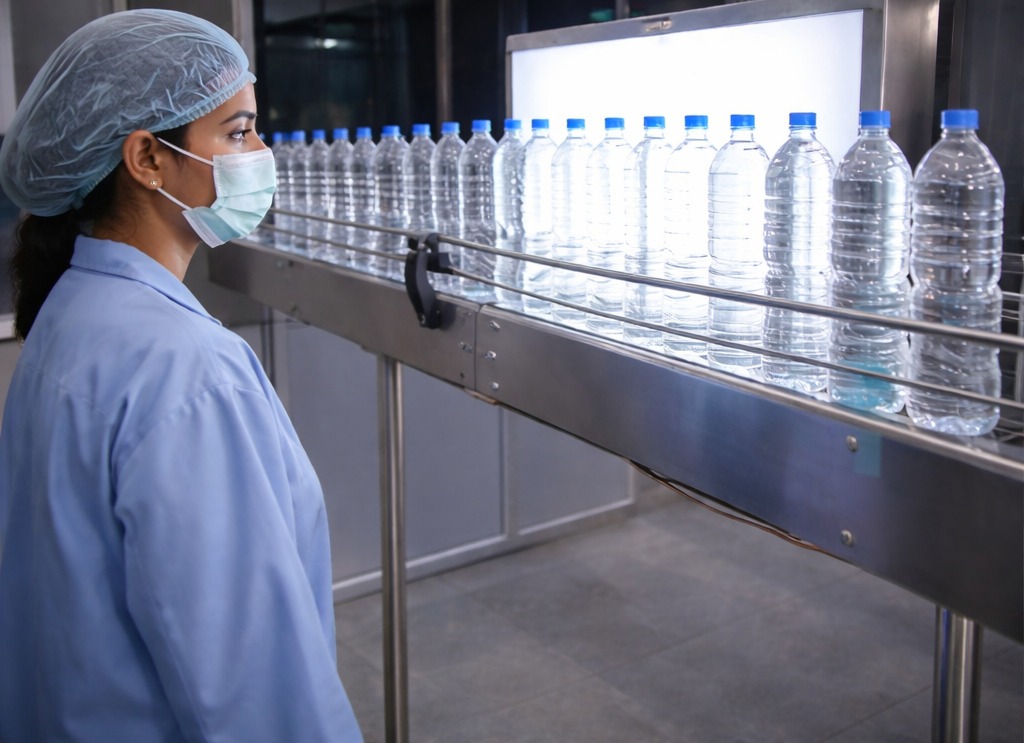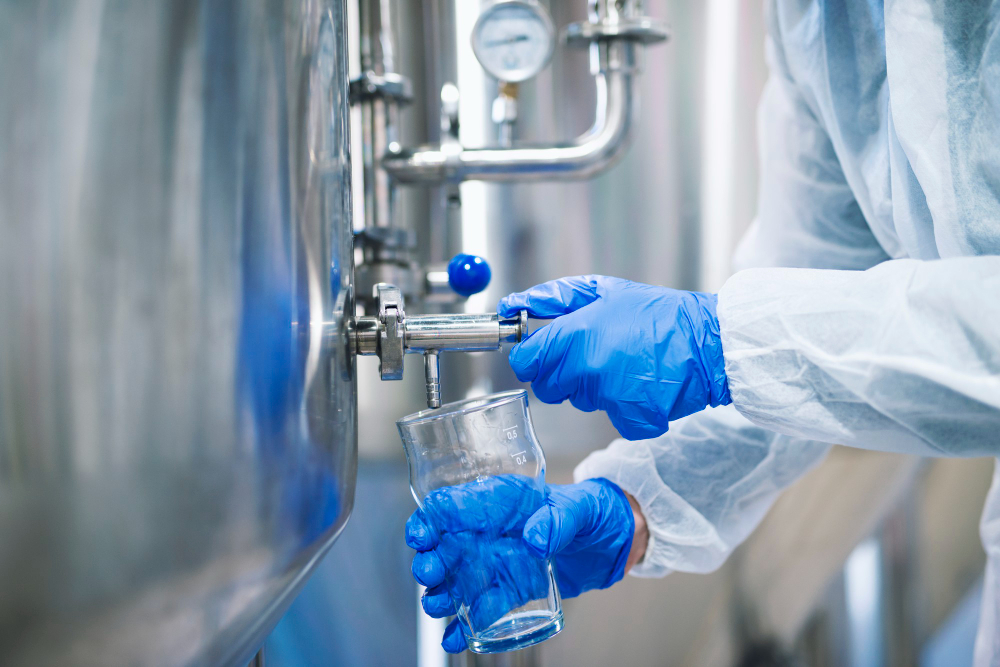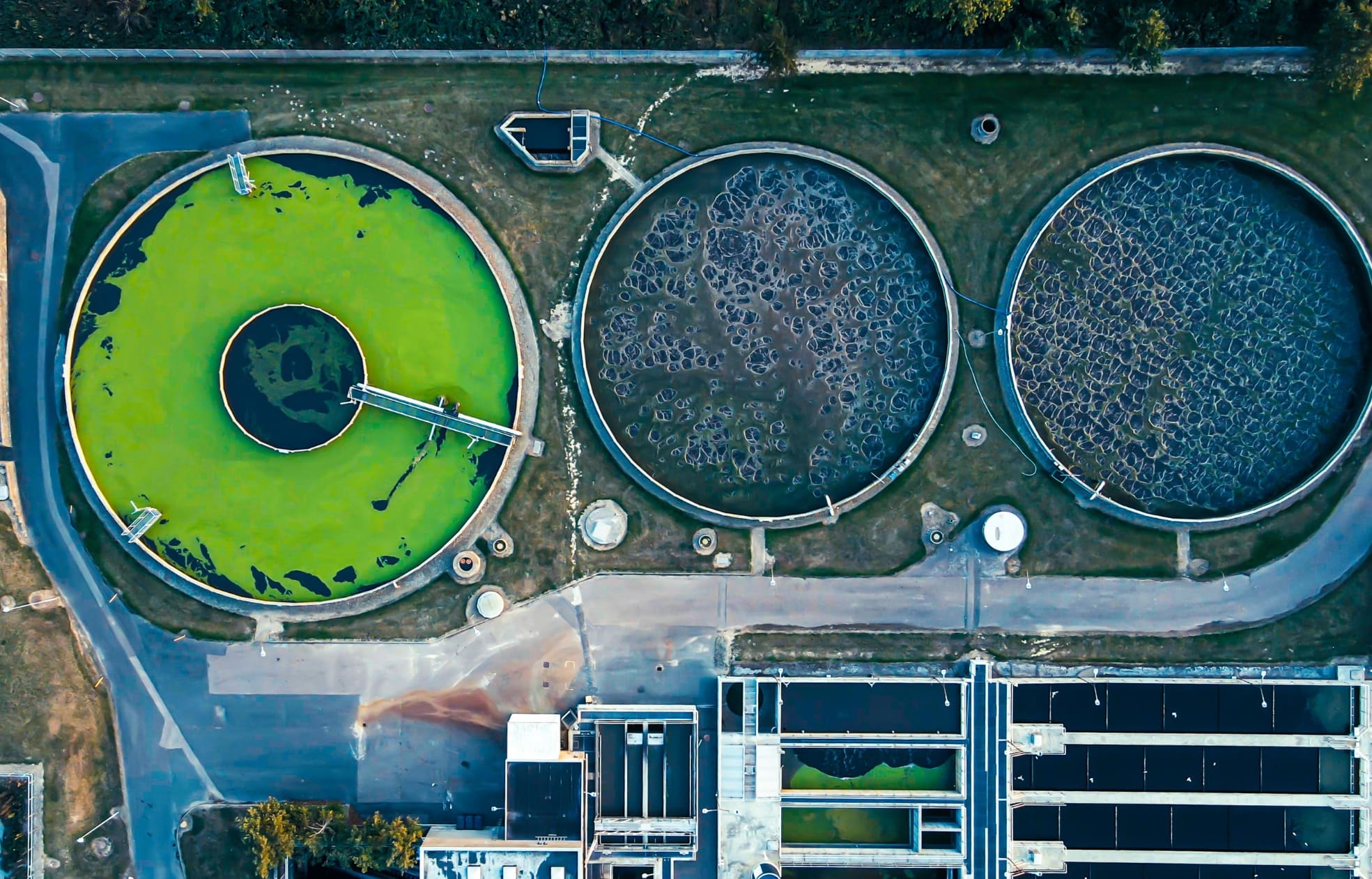
Effluent Treatment Plant Manufacturer in India

Industrial Treatment

Custom ETP Plant Manufacturer in India

Industrial wastewater contains contaminants that must be treated before it can be safely discharged or reused. A well-designed Industrial Effluent Treatment Plant (ETP) helps industries remove harmful pollutants, comply with environmental regulations, conserve water, and operate more sustainably.

Spring ION Exchange is a trusted Industrial Effluent Treatment Plant Manufacturer in India, providing customised wastewater treatment solutions for industries across the country. From wastewater analysis and process design to manufacturing, installation, commissioning, and after-sales support, we deliver complete ETP solutions tailored to your industry’s specific requirements.

Whether you operate in the textile, pharmaceutical, chemical, food processing, engineering, or any other manufacturing sector, our team designs reliable Industrial Wastewater Treatment Plants that ensure consistent performance, regulatory compliance, and long-term operational efficiency.

Effluent Treatment

What is an Industrial Effluent Treatment Plant?

An Industrial Effluent Treatment Plant (ETP) is a specialised wastewater treatment system designed to remove physical, chemical, and biological contaminants from industrial wastewater before it is discharged or reused.

Industrial manufacturing processes generate wastewater containing pollutants such as suspended solids, oils, grease, heavy metals, organic compounds, toxic chemicals, colour, dissolved salts, acids, alkalis, and other contaminants. Releasing untreated wastewater can harm rivers, groundwater, agricultural land, and surrounding ecosystems while also exposing industries to regulatory penalties.

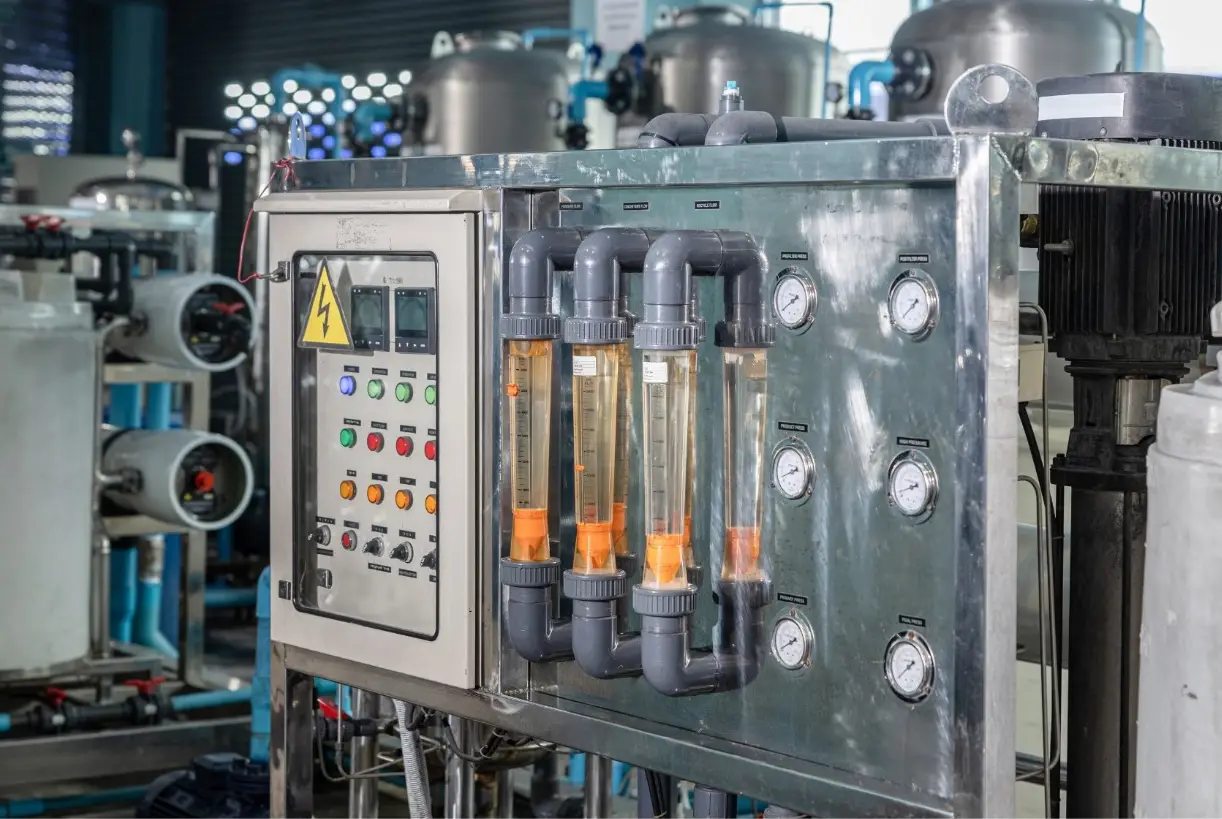
An Industrial Wastewater Treatment Plant treats this wastewater through multiple treatment stages that work together to reduce pollution levels and improve water quality. Depending on wastewater characteristics, the treatment process may include physical separation, chemical treatment, biological treatment, advanced filtration, sludge handling, and water polishing technologies.

A properly designed Effluent Treatment Plant helps industries:

Rather than viewing wastewater treatment as a regulatory obligation, many industries today consider it an investment that improves operational efficiency while strengthening environmental responsibility.

Industrial Sustainability

Why Industrial Effluent Treatment Matters

Water is one of the most valuable resources for any manufacturing industry. As production increases, so does wastewater generation. Without proper treatment, industrial effluent can significantly impact the environment and public health.

Modern industries are increasingly expected to operate responsibly by managing wastewater efficiently and reducing their environmental footprint. Governments have also strengthened environmental regulations, making wastewater treatment an essential part of industrial operations.

Installing an efficient Industrial Effluent Treatment Plant helps businesses:

01
image

Protect the Environment

Industrial wastewater often contains contaminants that can pollute rivers, lakes, groundwater, and agricultural land. Proper treatment prevents environmental damage while preserving valuable water resources.
02
image

Ensure Regulatory Compliance

Industries are required to comply with discharge standards established by Pollution Control Boards. A well-designed ETP helps maintain consistent compliance and reduces the risk of penalties, legal action, or operational disruptions.
03
image

Promote Water Conservation

Many industries now reuse treated wastewater for cooling towers, utility washing, gardening, floor cleaning, process applications, and other non-potable uses. Water recycling significantly reduces freshwater consumption and supports long-term sustainability goals.
04
image

Improve Operational Efficiency

Treating wastewater properly minimises production interruptions caused by environmental issues while improving overall plant management.
05
image

Build a Responsible Brand

Customers, investors, and regulatory authorities increasingly prefer businesses that demonstrate environmental responsibility. An efficient wastewater treatment system reflects a company's commitment to sustainable industrial practices.
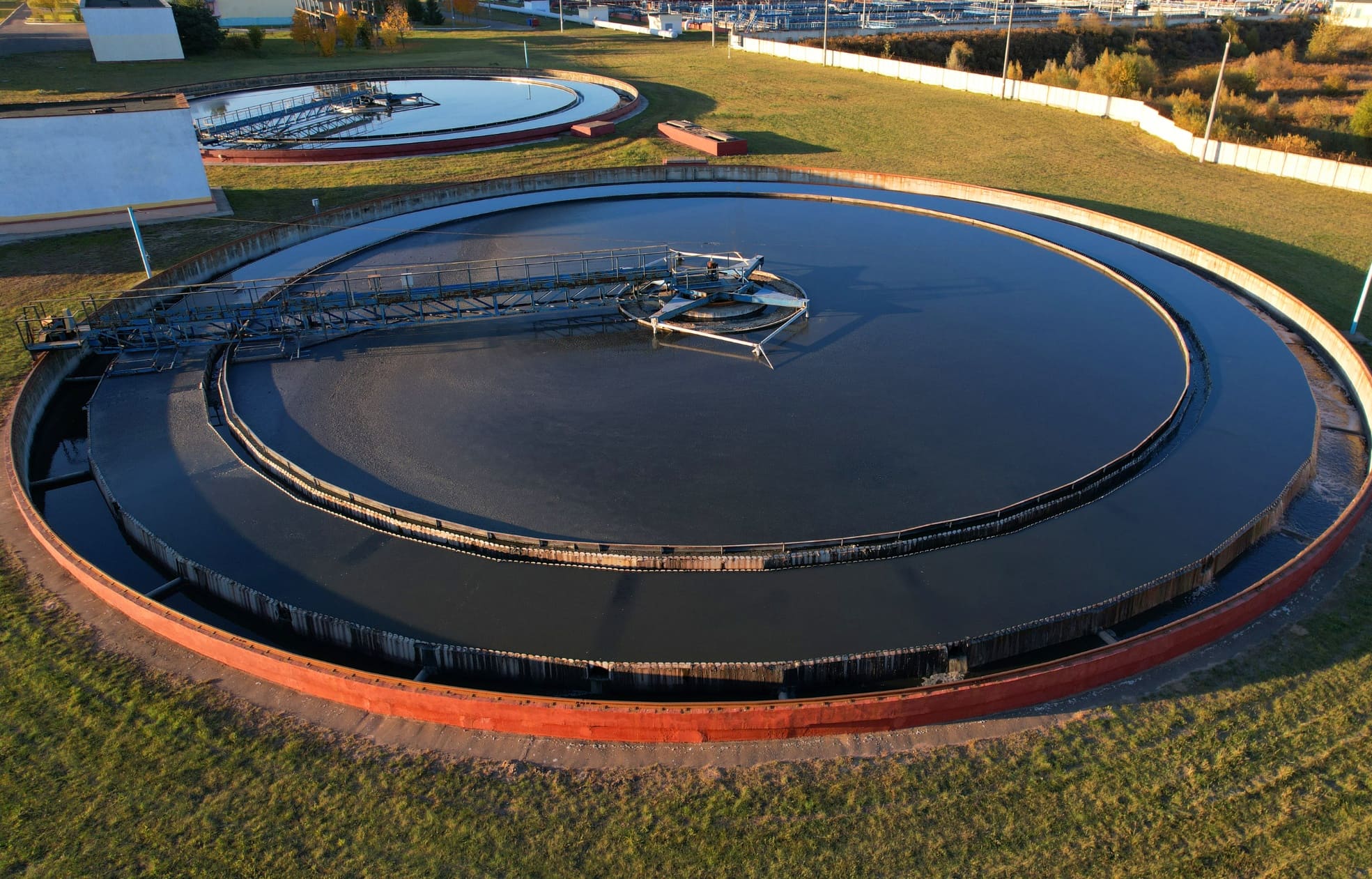
Process Overview

How Does an Industrial Effluent Treatment Plant Work?

Although every industry generates different wastewater, the overall objective of an Industrial Effluent Treatment System remains the same, remove contaminants efficiently and produce treated water that meets discharge or reuse standards.

The treatment process is carefully designed after analysing wastewater composition, flow rate, contaminant concentration, and treatment objectives.

A typical treatment process may include the following stages:

The first stage removes large solid materials that may damage downstream equipment.
Typical processes include:

This stage protects pumps, pipelines, and treatment equipment while improving overall plant efficiency.

Industrial wastewater quality often changes throughout the day due to production activities.
An equalisation tank balances:

Maintaining consistent wastewater characteristics helps improve treatment efficiency during subsequent stages.

Many industrial processes generate highly acidic or alkaline wastewater.

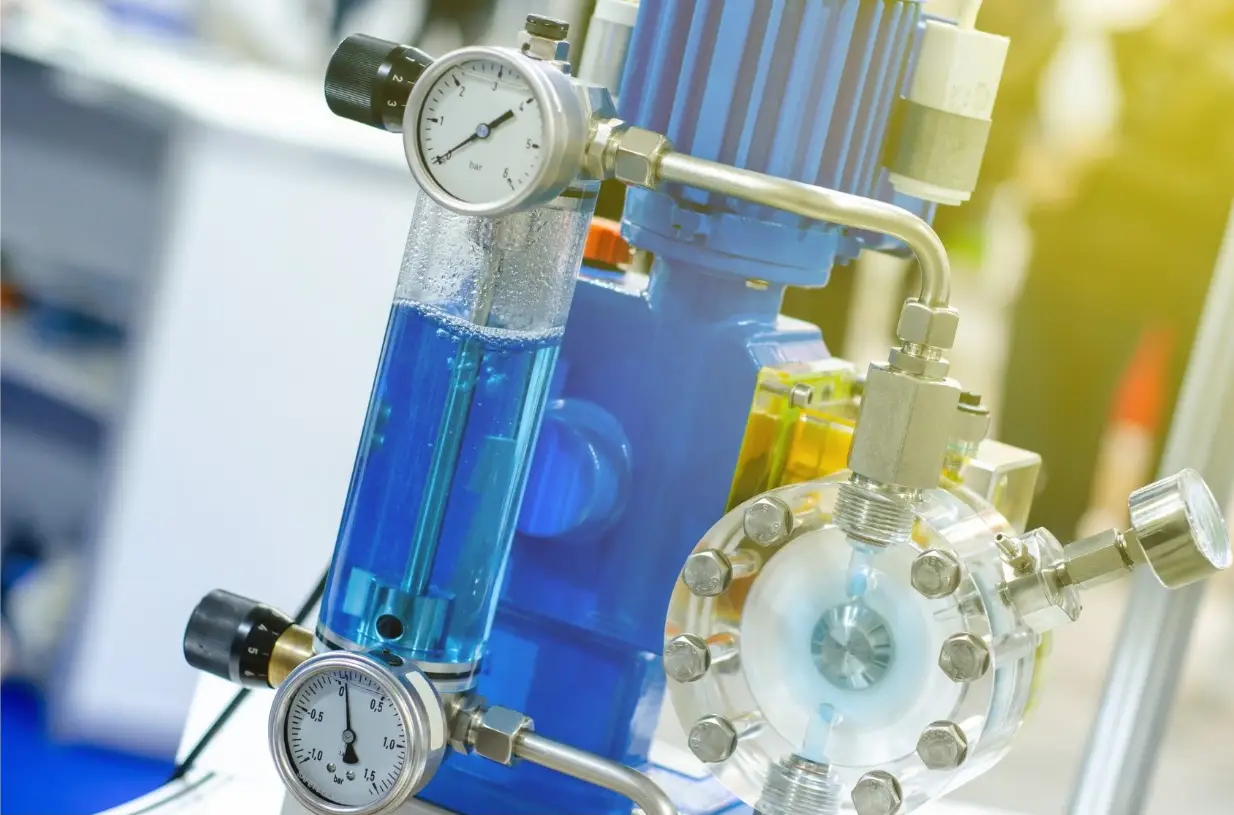
Chemical dosing systems automatically adjust pH to the desired operating range before further treatment.

Depending on wastewater quality, chemical treatment may include:

These processes help remove suspended solids, colour, dissolved contaminants, and other impurities.

Organic pollutants are removed using biological treatment processes where microorganisms naturally break down biodegradable contaminants.

Depending on wastewater characteristics, biological treatment technologies may include:

Biological treatment significantly reduces:

Following biological treatment, clarified water is separated from biological sludge.

This process improves water clarity while allowing sludge to be recycled or removed for further handling.

Some industries require higher water quality for reuse or stricter discharge standards.

Advanced polishing may include:

These technologies improve treated water quality and enable water recovery for industrial reuse wherever applicable.

Wastewater treatment generates sludge that requires proper handling.

Depending on plant capacity, sludge management systems may include:

Efficient sludge management reduces disposal costs while ensuring environmentally responsible handling.
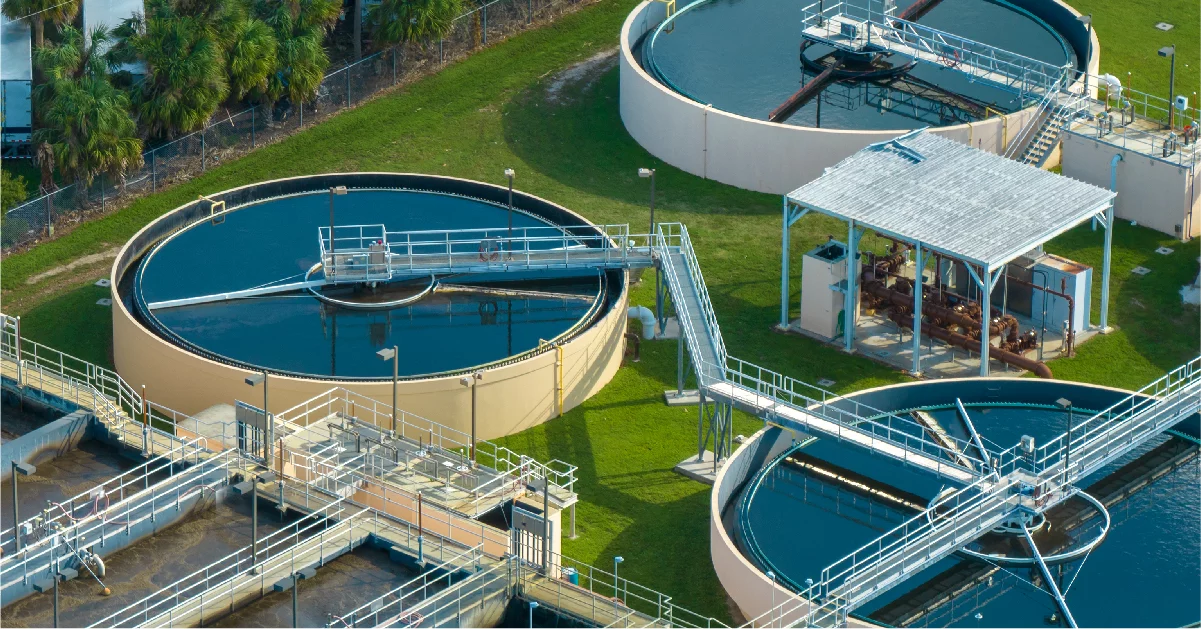
Water Impurities

Types of Contaminants Removed in an ETP

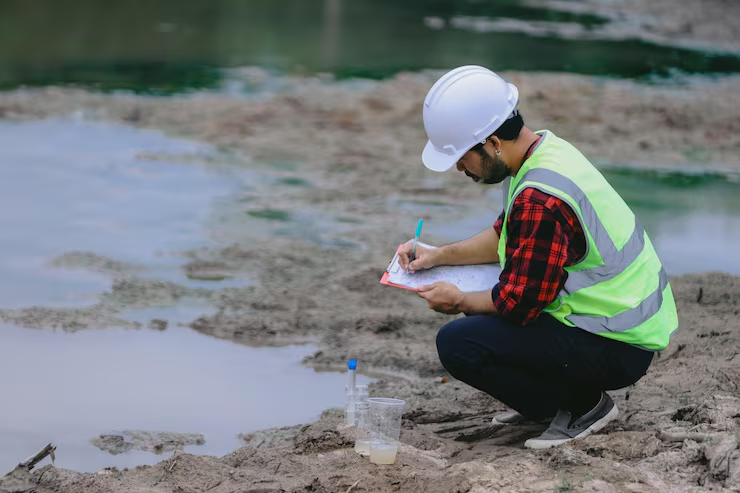
Industrial wastewater varies widely depending on manufacturing processes, raw materials, chemicals, and production methods.

An efficiently designed Industrial Effluent Treatment Plant is capable of reducing or removing a wide range of contaminants, including:

Where applicable, biological treatment also reduces microbial contamination and biodegradable pollutants before final discharge.

The selection of treatment processes depends entirely on laboratory analysis of wastewater characteristics rather than using a standard treatment configuration.

Wide Coverage

Industries We Serve

Every manufacturing sector produces wastewater with unique treatment challenges. Our engineering team designs customised Industrial Wastewater Treatment Plants after evaluating the specific characteristics of each industry's effluent.

We provide Industrial Effluent Treatment Plant Solutions for a wide range of industries across India.

Textile & Dyeing Industries

Textile wastewater often contains dyes, chemicals, suspended solids, salts, surfactants, and colour that require specialised treatment. Our systems are designed to effectively reduce colour, COD, BOD, and chemical contamination while supporting water reuse initiatives wherever possible.

Pharmaceutical Manufacturing

Pharmaceutical wastewater contains complex organic compounds, solvents, active ingredients, and variable pollutant loads. Our treatment solutions combine physical, chemical, and biological processes to achieve stable treatment performance.

Chemical Processing Industries

Chemical manufacturing generates wastewater with varying pH levels, dissolved chemicals, toxic compounds, and high pollutant concentrations. We design customised treatment systems based on detailed wastewater analysis to ensure effective contaminant removal and regulatory compliance.

Food & Beverage Processing

Food processing facilities generate wastewater containing oils, fats, proteins, sugars, starch, and biodegradable organic matter. Our treatment systems help reduce organic load while producing treated water suitable for discharge or reuse as per project requirements.

Dairy Processing Plants

Dairy wastewater typically contains milk solids, fats, proteins, detergents, and cleaning chemicals. Proper treatment helps reduce BOD, COD, suspended solids, and grease while improving overall water management.

Paper & Pulp Industries

Paper manufacturing wastewater often includes fibres, suspended solids, lignin, colour, and organic pollutants. Our treatment systems are designed to improve water quality while supporting efficient plant operation.

Electroplating & Metal Finishing Units

These industries generate wastewater containing heavy metals, cyanide compounds, acids, and toxic chemicals. We design specialised treatment systems incorporating chemical precipitation and metal removal processes to achieve safe discharge standards.

Automobile & Engineering Industries

Engineering and automobile manufacturing facilities generate wastewater containing oils, lubricants, coolants, metal particles, detergents, and suspended solids. Our customised treatment solutions help industries maintain compliance while reducing environmental impact.
Industry Experience

Our Industrial Effluent Treatment Solutions

At Spring ION Exchange, we understand that successful wastewater treatment depends on much more than supplying equipment. It requires the right engineering approach, process knowledge, reliable components, and long-term operational support.
Our comprehensive solutions include:

Every project is executed with a focus on treatment efficiency, operational reliability, ease of maintenance, and long service life.
What we Offer

Treatment Technologies Used in Our Industrial Effluent Treatment Plants

No single treatment technology can effectively treat every type of industrial wastewater. The ideal treatment process depends on several factors, including wastewater characteristics, contaminant concentration, discharge requirements, water reuse objectives, available space, and operating costs.

As an experienced Industrial Effluent Treatment Plant Manufacturer in India, we design each treatment system by selecting the most suitable technologies rather than applying a standard configuration.

image

Physical Treatment

Physical treatment forms the first stage of most Industrial Effluent Treatment Plants. It removes larger particles and floating contaminants before chemical or biological treatment begins. Depending on the application, this stage may include:
  • Bar Screens
  • Fine Screens
  • Grit Chambers
  • Oil & Grease Traps
  • Equalization Tanks
  • Primary Clarifiers
Removing these contaminants at an early stage improves overall treatment efficiency while protecting downstream equipment from unnecessary wear and blockages.
image

Chemical Treatment

Many industries generate wastewater containing dissolved contaminants that cannot be removed through physical separation alone. Chemical treatment helps reduce:
  • Heavy metals
  • Colour
  • Suspended solids
  • Toxic compounds
  • Acidity and alkalinity
  • Phosphates
  • Various inorganic contaminants
Common processes include:
  • pH Neutralisation
  • Coagulation
  • Flocculation
  • Chemical Precipitation
  • Oxidation
  • Reduction
Automated chemical dosing systems ensure accurate dosing, stable plant operation, and consistent treatment performance.
image

Biological Treatment

Biological treatment is essential for wastewater with high organic pollution. Carefully selected microorganisms naturally consume biodegradable contaminants and convert them into simpler compounds. Based on project requirements, we incorporate technologies such as:
  • Activated Sludge Process (ASP)
  • Moving Bed Biofilm Reactor (MBBR)
  • Sequencing Batch Reactor (SBR)
  • Membrane Bioreactor (MBR)
These systems effectively reduce:
  • Biological Oxygen Demand (BOD)
  • Chemical Oxygen Demand (COD)
  • Organic pollutants
  • Suspended biological matter
The selection of the biological process depends on wastewater characteristics, available space, treatment efficiency requirements, and operational considerations.
image

Advanced Polishing & Water Reuse

Many industries aim to recover and reuse treated water to reduce freshwater consumption and operating costs. For higher-quality treated water, we integrate advanced polishing systems such as:
  • Pressure Sand Filters
  • Activated Carbon Filters
  • Ultrafiltration (UF)
  • Reverse Osmosis (RO)
  • Membrane Filtration Systems
  • Ion Exchange Systems
These technologies further improve water quality by reducing fine suspended particles, dissolved impurities, colour, odour, and residual contaminants. Depending on the application, the treated water may be suitable for cooling towers, utility services, floor washing, gardening, or selected process requirements.
Why Choose us

Why Choose Spring ION Exchange?

Selecting the right Effluent Treatment Plant Manufacturer is just as important as selecting the right treatment technology. A well-engineered plant delivers consistent performance, while poor design can result in frequent breakdowns, higher operating costs, and compliance issues.

At Spring ION Exchange, we focus on delivering reliable engineering solutions that continue to perform efficiently for years.

01
image

Process-Driven Engineering

Every project begins with understanding your manufacturing process, wastewater characteristics, production capacity, and treatment objectives. This enables us to design systems that are technically appropriate rather than oversized or undersized.
02
image

Customised Treatment Solutions

Industrial wastewater varies significantly between industries and even between production lines within the same facility. Our engineering team designs every Industrial Wastewater Treatment Plant according to actual wastewater analysis, ensuring the treatment process matches your operational needs.
03
image

High-Quality Equipment

We use durable components, corrosion-resistant materials, reliable instrumentation, and trusted equipment designed for continuous industrial operation. This helps minimise maintenance while improving system reliability.
04
image

Compliance-Oriented Design

Our plants are engineered to help industries meet applicable Pollution Control Board discharge requirements. We focus on stable treatment performance that supports regulatory compliance under varying operating conditions.
05
image

Turnkey Project Execution

From wastewater analysis and process design to manufacturing, installation, commissioning, and operator training, we manage every stage of the project. This single-point responsibility simplifies project execution and ensures smooth coordination throughout implementation.
06
image

Long-Term Technical Support

Our relationship with clients continues after commissioning. We provide technical guidance, troubleshooting assistance, maintenance support, and operational recommendations to help maximise plant performance over its lifecycle.
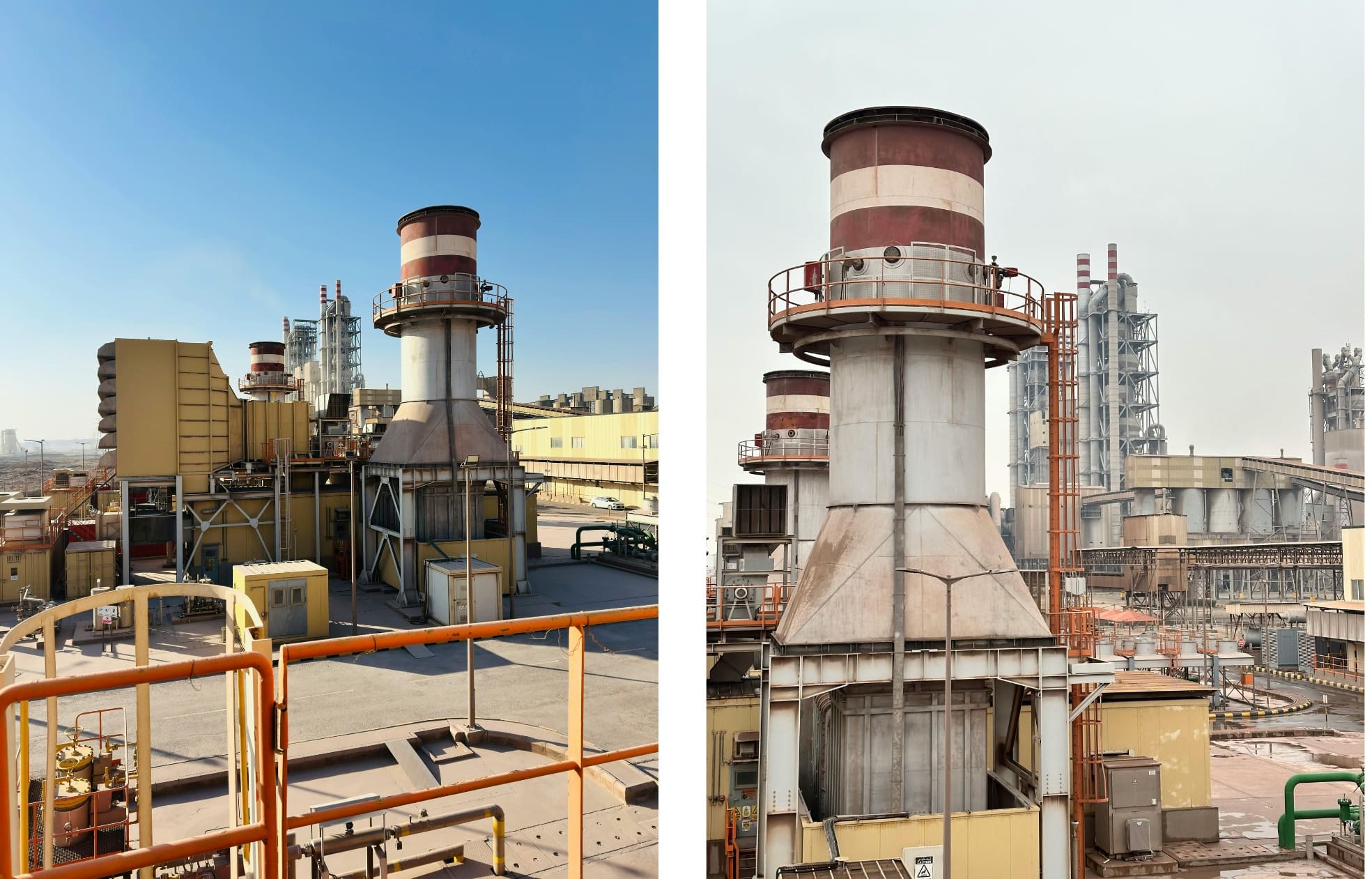
Our process

Our Project Execution Process

A successful Industrial Effluent Treatment Plant requires more than quality equipment—it requires a structured execution process that ensures every system is designed, installed, and commissioned correctly.
01

Wastewater Analysis

Every project starts with understanding the wastewater. Our team evaluates key parameters such as:
  • Flow rate
  • pH
  • BOD
  • COD
  • TSS
  • TDS
  • Oil & Grease
  • Heavy Metals
  • Temperature
  • Chemical Composition
This assessment forms the foundation for selecting the most appropriate treatment process.
02

Process Design & Engineering

Based on laboratory analysis and client requirements, our engineers prepare a customised treatment scheme. This includes:
  • Process flow development
  • Equipment selection
  • Hydraulic calculations
  • Tank sizing
  • Piping layout
  • Instrumentation planning
  • Utility requirements
Every design focuses on achieving reliable treatment performance while maintaining operational efficiency.
03

Manufacturing & Equipment Supply

After design approval, we manufacture and assemble the required process equipment using quality materials and industry-standard fabrication practices. Each component undergoes inspection before dispatch to ensure dependable on-site performance.
04

Installation & Integration

Our experienced team installs the treatment system while coordinating mechanical, electrical, and piping activities. Proper installation ensures smooth integration with existing production facilities and utilities.
05

Commissioning & Performance Testing

Before project handover, the plant undergoes detailed commissioning and trial operation. We verify:
  • Equipment functionality
  • Process performance
  • Instrument calibration
  • Water quality
  • Treatment efficiency
  • Overall system stability
Necessary process adjustments are made to optimise plant performance under actual operating conditions.
06

Training and Support

We train plant operators on:
  • System operation
  • Preventive maintenance
  • Chemical dosing
  • Routine inspections
  • Safety procedures
  • Troubleshooting basics
Our technical support team remains available whenever assistance is required.
Smart Benefits

Benefits of Installing an Industrial Effluent Treatment Plant

Investing in an efficient Industrial Effluent Treatment Plant delivers long-term operational, environmental, and financial advantages.

image

Regulatory Compliance

A properly designed treatment system helps industries comply with wastewater discharge standards established by Pollution Control Boards, reducing the risk of legal action and operational interruptions.
image

Lower Freshwater Consumption

Treated water can often be reused for suitable industrial applications, reducing dependence on freshwater resources and supporting sustainable water management.
image

Reduced Environmental Impact

By removing harmful contaminants before discharge, industries help protect rivers, groundwater, soil, and surrounding ecosystems while contributing to responsible industrial development.
image

Improved Operational Stability

Consistent wastewater treatment minimises production disruptions caused by environmental non-compliance and provides greater confidence during inspections and audits.
image

Cost Savings Over Time

Although installing an ETP is an investment, efficient treatment and water reuse can reduce long-term operating costs associated with freshwater consumption, wastewater disposal, and regulatory issues.
image

Stronger Corporate Image

Environmental responsibility is increasingly important for customers, investors, multinational companies, and regulatory authorities. A well-operated ETP demonstrates a commitment to sustainable manufacturing practices.
Multi Sector

Supporting CPCB Compliance Through Better Engineering

Industrial wastewater discharge in India is regulated by the Central Pollution Control Board (CPCB) and respective State Pollution Control Boards.

Meeting these standards requires more than installing treatment equipment. It requires a properly engineered process capable of handling variations in wastewater quality while consistently producing treated water within permissible discharge limits.

At Spring ION Exchange, our approach focuses on:

By combining sound engineering principles with practical field experience, we help industries move towards reliable and compliant wastewater management.

Assurance

Looking for the Right Industrial Effluent Treatment Solution?

Every industry produces different wastewater, and every treatment plant should be designed accordingly.

Our engineers will assess your wastewater characteristics, treatment objectives, and operational requirements to recommend the most efficient and cost-effective Industrial Effluent Treatment Plant for your facility.

Start your wastewater treatment project with expert guidance.

FAQ

Frequently Asked Questions

Find clear answers to common questions about our water treatment systems, services, and support.

01. What is the difference between an STP and an ETP?

An STP (Sewage Treatment Plant) treats domestic wastewater generated from residential, commercial, or institutional buildings. An ETP (Effluent Treatment Plant) is specifically designed to treat industrial wastewater containing chemicals, oils, heavy metals, organic pollutants, and other process-related contaminants.

Industries such as textile, pharmaceutical, chemical, food processing, dairy, paper, engineering, automobile, electroplating, and many other manufacturing sectors commonly require ETP systems to treat industrial wastewater before discharge or reuse.

Yes. Depending on the treatment process and required water quality, treated water may be reused for cooling towers, utility washing, gardening, flushing, and selected industrial processes. Water reuse requirements vary depending on the application and applicable quality standards.
The capacity of an Industrial Effluent Treatment Plant depends on factors such as wastewater flow rate, production volume, contaminant concentration, discharge standards, and future expansion plans. A detailed wastewater assessment helps determine the appropriate system design.
Typical parameters include pH, BOD, COD, TSS, TDS, oil and grease, heavy metals, temperature, flow rate, colour, and chemical composition. These values help engineers select suitable treatment technologies and design an efficient treatment process.
Yes. We offer end-to-end solutions including, wastewater analysis, process design, equipment manufacturing, supply, installation, commissioning, operator training, and ongoing technical support.
Technical Guide

Download Brochure

Get complete specifications and features in one PDF.

Send Inquiry

Request Quote

Need clean and safe water solutions?

Send us your inquiry—we’re here to help!

Send Inquiry

Request Quote

Need clean and safe water solutions?

Send us your inquiry—we’re here to help!